Our Analysis Services
RCS Prediction
Our team provides comprehensive Radar Cross Section (RCS) analysis services for terrestrial, airborne and naval platforms, as well as commercial objects. We combine advanced computational modeling with ray tracing techniques to characterize electromagnetic signatures of complex structures. Our analyses help clients identify radar reflectivity issues early in the design process, significantly reducing the need for time-consuming measurements and costly redesigns. Using our own software, RAY-DAR, we deliver accurate RCS predictions across multiple frequency bands, enabling the development of platforms with optimized electromagnetic characteristics.
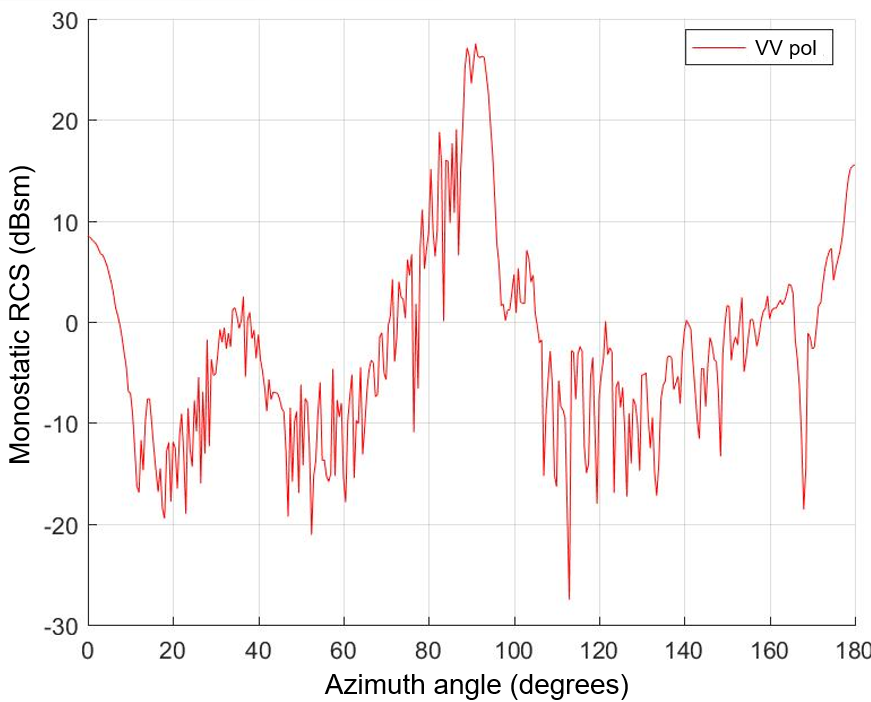
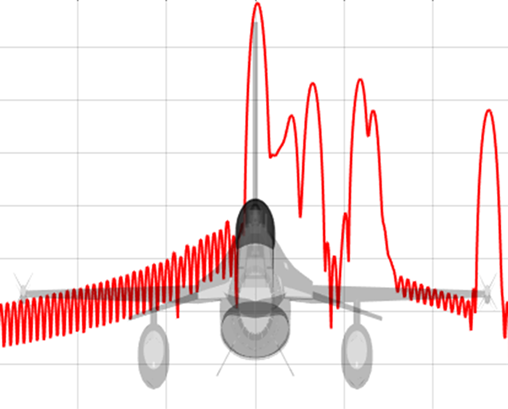
Range Profile
Range profile is a plot of the radar cross section (RCS) of a target as a function of the distance between the radar and the target. RAY-DAR can generate range profiles for complex targets, including multiple scattering centers. These plots are useful in RCS analysis to identify the dominant scattering centers on a target by showing how reflected energy varies with range. They help isolate which parts of a structure (e.g., edges, corners, engines) contribute most to the RCS. By analyzing profiles at different angles, engineers can study aspect-dependent visibility and evaluate stealth characteristics. Additionally, they are used for validating simulation models and aiding in radar target classification.
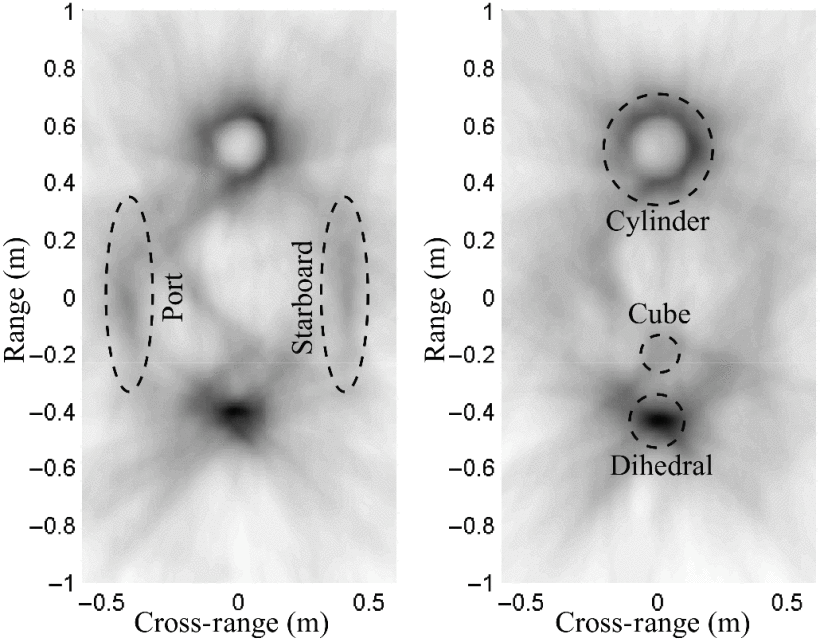
SAR image
With RAY-DAR, we can generate SAR images from simulation data, providing a two-dimensional spatial representation of how radar energy is scattered by a target, offering detailed insight into its structural features. These images help identify key scattering regions and their spatial distribution, which is critical for understanding and minimizing RCS. By simulating SAR images at different aspect angles, engineers can assess the radar visibility of a target from multiple perspectives. SAR imaging also aids in validating scattering models and supports automatic target recognition through high-resolution feature extraction.
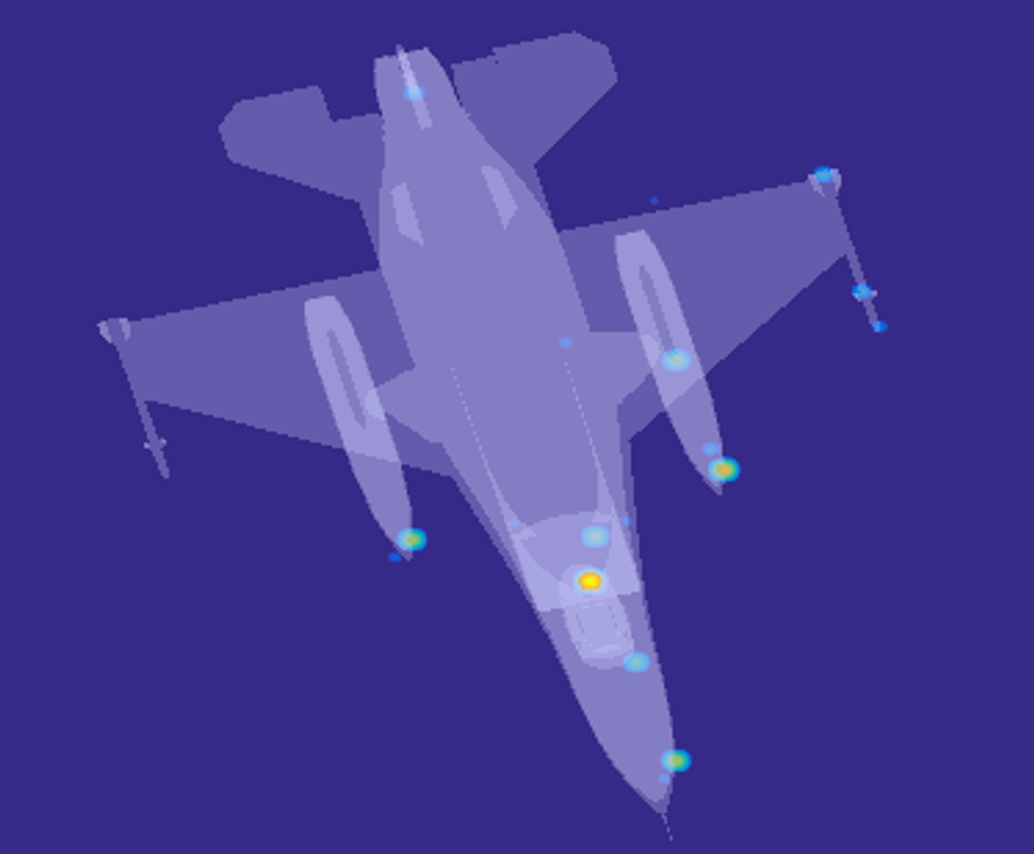
Scattering Center Extraction
With RAY-DAR, we can extract scattering centers from SAR images, which are the points that scatter the most energy back to the radar. This is useful for radar cross section (RCS) analysis and target recognition. The scattering centers are also taken into account to decide the points of interest for RCS reduction.
Studies on RCS reduction
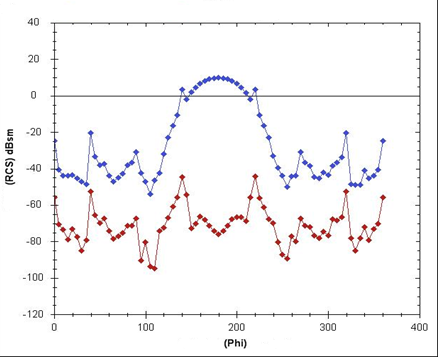
RAY-DAR is a softwarecapable of analyzing coated targets as well. This enables us to study the effectiveness of different coatings on RCS reduction. The differences in RCS between coated and uncoated targets can be observed, and can be used to optimize the design of the target.
Satellite SAR image processing
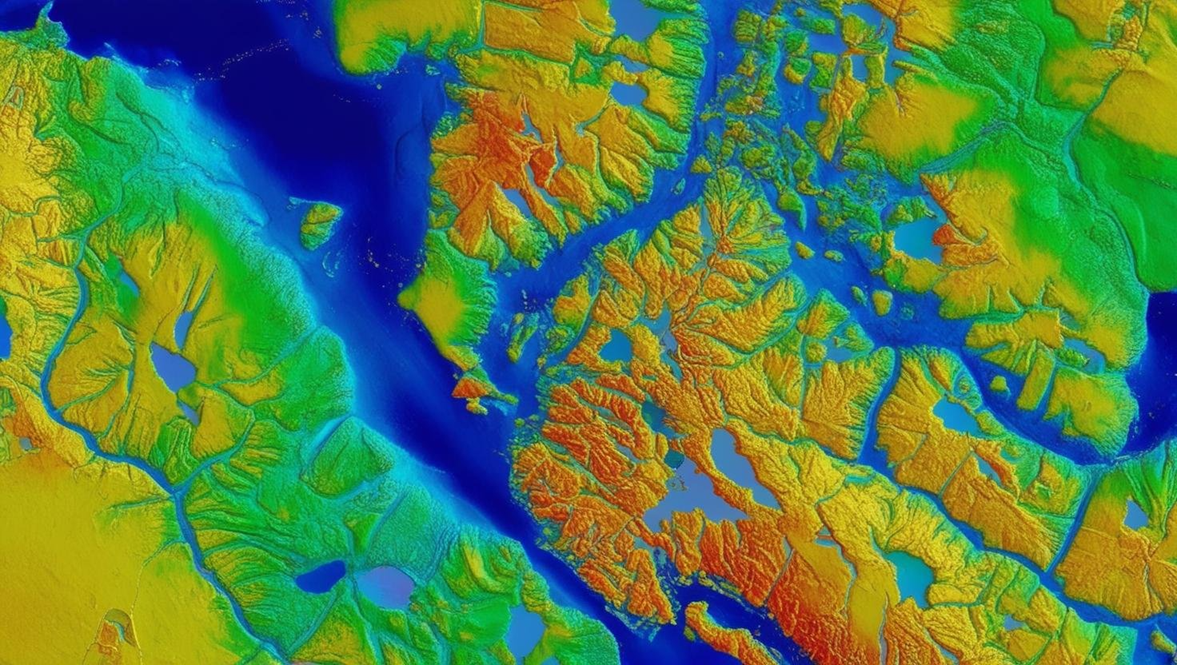
Apart from RAY-DAY, Aretech also provides services for satellite SAR image processing. We can process the raw data from the satellite and generate SAR images. These include SAR interferometry, SAR polarimetry, backscattering coefficient analyses. With the help of these capabilities, we can provide analyses on earth observation, vegetation monitoring, land-slide detection, wildfire reports, and disaster management.